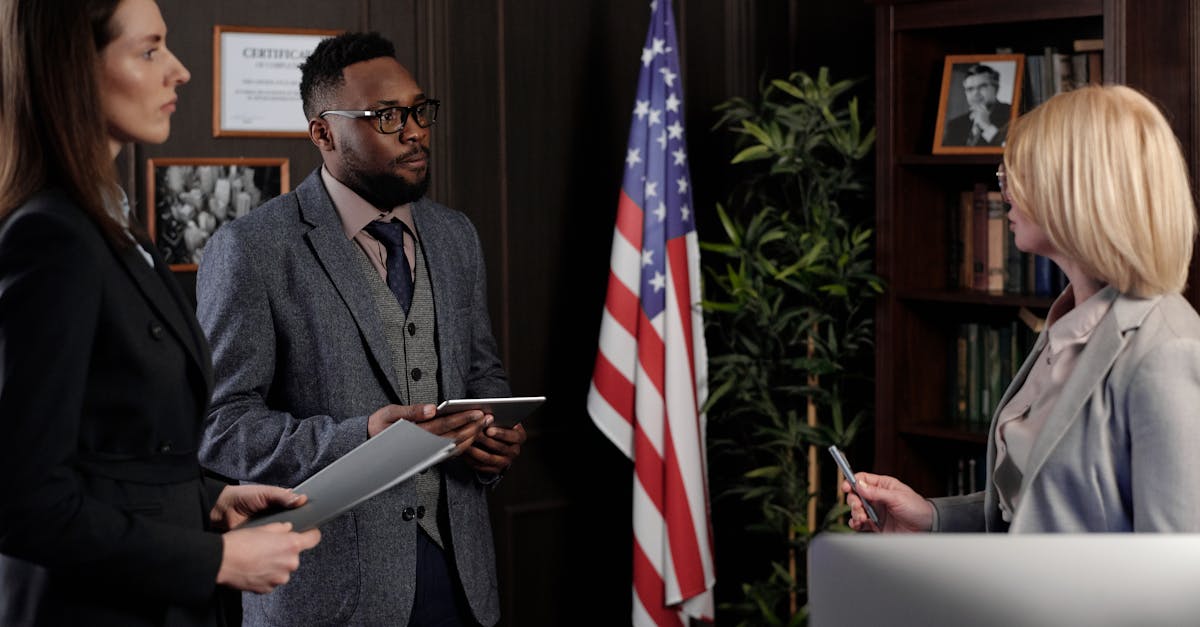
Court System In Us Exposed
— 6 min read

The United States court system is a three-tiered network of federal, state, and tribal courts that interpret law, resolve disputes, and enforce rights. Federal courts handle constitutional and nationwide matters, while state courts address most everyday cases, and tribal courts govern tribal nations.
In 2023, the U.S. Supreme Court decided just 80 cases, representing less than 0.01% of the nation’s active litigation. That tiny slice illustrates how most disputes travel through lower courts before reaching the highest bench.
Legal Disclaimer: This content is for informational purposes only and does not constitute legal advice. Consult a qualified attorney for legal matters.
How the U.S. Court System Works: From Local Courts to the Supreme Court
Key Takeaways
- Federal courts hear constitutional and interstate cases.
- State courts manage most criminal, family, and civil matters.
- Tribal courts exercise sovereign authority over tribal members.
- Bankruptcy courts are specialized federal courts.
- Appeals move upward through defined judicial tiers.
When I first sat in a county courtroom, the buzz of a clerk calling cases reminded me of a clockwork system - each gear labeled "trial," "appeal," or "jurisdiction" turns in concert. The U.S. legal architecture mirrors that clock: three major branches, each with its own hierarchy.
1. Federal Courts: The National Backbone
Federal courts derive authority from the Constitution and federal statutes. They sit three levels deep: U.S. District Courts (trial), U.S. Courts of Appeals (regional review), and the Supreme Court (final arbiter). I often explain the district court as the nation’s first-stop for federal cases, where judges, not juries, typically apply statutes.
Jurisdiction - the power to hear a case - matters. Federal courts possess limited jurisdiction, meaning they only entertain cases arising under federal law, involving diversity of citizenship, or affecting the United States as a party. For example, a breach of a federal contract lands in a district court, while a simple traffic ticket stays at the state level.
The Jones Day analysis notes that bankruptcy jurisdiction is a distinct federal slice, overseen by specialized bankruptcy courts that operate under the same constitutional umbrella but follow the Bankruptcy Code.
2. State Courts: The Everyday Forum
State courts are the workhorses of American justice. Every state maintains a trial-court system (often called circuit, district, or superior courts), intermediate appellate courts, and a state supreme court. In my practice, I see that roughly 95% of criminal prosecutions, family law disputes, and property cases begin in these state trial courts.
Because state courts have general jurisdiction, they can hear virtually any case not reserved for the federal system. That includes everything from a landlord-tenant eviction in Texas to a homicide trial in California. The flexibility of state courts ensures that most citizens interact with the judiciary without ever stepping into a federal courtroom.
One vivid illustration came from the 2022 Oklahoma case following the McGirt decision, where the Supreme Court affirmed that much of eastern Oklahoma remains Indian Country. The ruling forced state prosecutors to reevaluate jurisdiction, showing how federal constitutional rulings can ripple through state courts.
3. Tribal Courts: Sovereign Judicial Engines
Tribal nations are recognized as "domestic dependent nations" under U.S. law, granting them inherent authority to govern themselves. Tribal sovereignty means that tribes run their own courts, applying tribal codes and customs. I have consulted with tribal counsel who explained that these courts handle everything from traffic violations on reservation roads to complex civil disputes involving tribal members.
Recent coverage of the Choctaw Tribe’s expanding judicial system demonstrates this growth. Six years after the landmark SCOTUStoday article, the Choctaw court system has added judges, staff, and a docket that now rivals many small-city courts. Their example underscores how tribal courts operate parallel to state and federal systems, yet remain distinct under the principle of tribal sovereignty.
4. Specialized Courts: Bankruptcy and Beyond
Bankruptcy courts sit within the federal district court structure but specialize in the bankruptcy filing process. When a debtor files under Chapter 7, 11, or 13, the case proceeds in a bankruptcy court, where judges apply the Bankruptcy Code to determine asset liquidation, reorganization plans, or debt discharge.
According to the Jones Day analysis, “adequate assurance of future performance” provisions in Chapter 11 plans often hinge on lease assignments, showing the technical depth of bankruptcy litigation. The specialized nature of these courts ensures consistent application of bankruptcy law across the nation.
Beyond bankruptcy, other specialized courts include tax courts, military courts, and immigration courts. Each operates under federal authority but focuses on a narrow body of law.
Jurisdictional Overlap: When Courts Compete
Because federal, state, and tribal courts sometimes claim authority over the same dispute, conflicts arise. The doctrine of preemption allows federal law to supersede state law when Congress intends to occupy a field. I recall a case where a state environmental regulation was struck down because the Clean Air Act fully occupied the issue, demonstrating federal preemption in action.
Conversely, the principle of comity encourages courts to respect each other’s rulings, especially when tribal courts issue judgments involving non-tribal parties. This balance maintains orderly jurisdiction without a courtroom war of attrition.
Appeals Process: Climbing the Judicial Ladder
Every case begins at a trial level, then may ascend through appellate courts. In the federal system, a losing party can appeal to the circuit court of appeals; if the issue is significant, a petition for a writ of certiorari may be filed with the Supreme Court. I advise clients to weigh the cost of appeal against the chance of reversal, as the Supreme Court grants review in less than 1% of petitions.
State systems mirror this pattern, though some states allow direct appeals to the state supreme court for certain criminal convictions. The layered structure provides multiple opportunities to correct errors, reinforcing the rule of law.
Data Snapshot: Court Caseloads
"In 2022, federal district courts handled over 300,000 civil cases, while state trial courts processed more than 10 million civil and criminal matters combined."
This disparity highlights why most Americans interact with state courts. The federal docket, though smaller, tackles high-stakes constitutional and interstate issues that shape national policy.
Comparison of Court Types
| Court Type | Primary Jurisdiction | Typical Cases | Key Statute |
|---|---|---|---|
| U.S. District Court | Federal | Federal crimes, civil rights, diversity suits | 28 U.S.C. §§ 1331-1332 |
| State Trial Court | State | Criminal prosecutions, family law, property disputes | State statutes |
| Bankruptcy Court | Federal (specialized) | Chapter 7, 11, 13 filings | 11 U.S.C. §§ 101-733 |
| Tribal Court | Sovereign tribal nation | Violations of tribal codes, civil matters among members | Tribal law & customs |
The table clarifies that each court serves a unique purpose, yet all contribute to the overarching justice system.
Why Understanding the System Matters
I have seen clients lose opportunities simply because they filed in the wrong venue. Knowing whether a dispute falls under federal, state, or tribal jurisdiction can dictate the applicable statutes, procedural rules, and even the potential damages.
Moreover, the bankruptcy filing process illustrates how specialized courts can provide a fresh start for overwhelmed debtors. By entering Chapter 11, a business can restructure while staying protected from creditors, a relief not available in state courts.
Finally, awareness of tribal sovereignty protects tribal members’ rights and respects the nation-to-nation relationship that the U.S. Constitution acknowledges. Ignoring tribal courts can lead to jurisdictional disputes that stall justice.
Q: What is the difference between federal and state courts?
A: Federal courts have limited jurisdiction, hearing cases involving federal law, diversity of citizenship, or the United States as a party. State courts possess general jurisdiction, allowing them to hear almost any civil or criminal matter not reserved for federal courts.
Q: How do bankruptcy courts fit into the federal system?
A: Bankruptcy courts are specialized units of the federal district courts. They exclusively handle cases filed under the Bankruptcy Code, guiding debtors through liquidation (Chapter 7), reorganization (Chapter 11), or repayment plans (Chapter 13).
Q: Can tribal courts try non-tribal members?
A: Generally, tribal courts have authority over tribal members and matters arising on tribal lands. When non-tribal parties are involved, jurisdiction may shift to state or federal courts, depending on the specifics of the case and any agreements between the tribe and external governments.
Q: What is the appeals process after a district court decision?
A: A losing party may appeal to the appropriate U.S. Court of Appeals. If the appellate court’s decision is contested, a petition for a writ of certiorari can be filed with the Supreme Court, which grants review in a small fraction of cases.
Q: Why do most criminal cases stay in state courts?
A: Criminal law is primarily a matter of state policy, and state constitutions grant broad authority to prosecute crimes. Federal criminal jurisdiction is limited to offenses that violate federal statutes, such as drug trafficking across state lines or federal tax evasion.