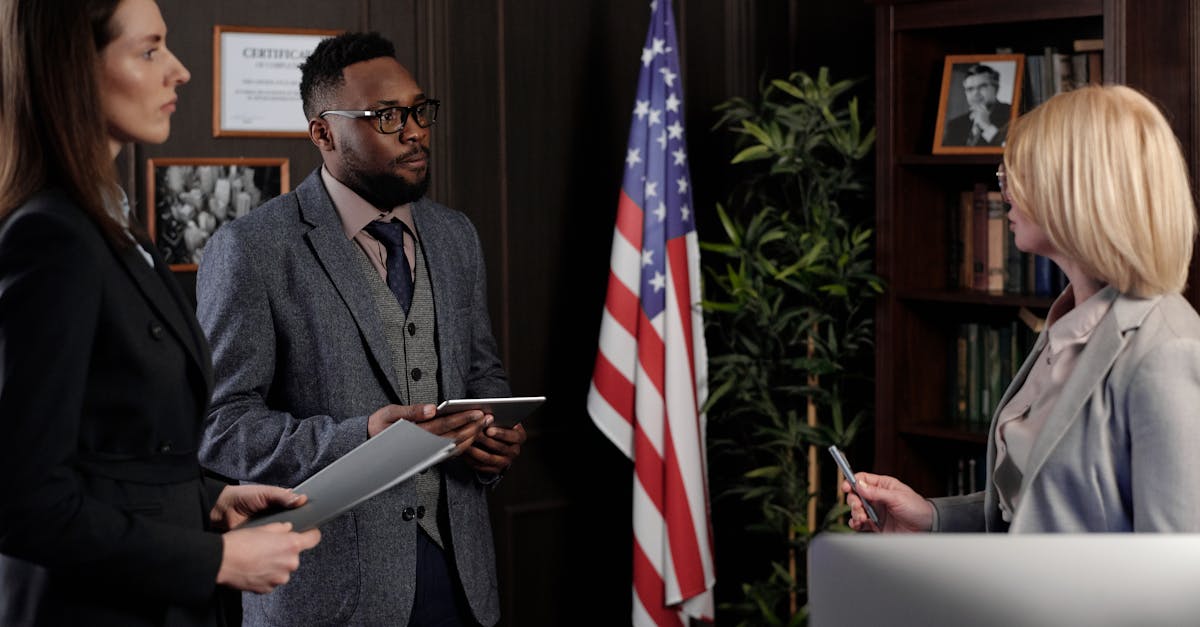
Stop Using AI What's the Legal System
— 6 min read

Stop Using AI What's the Legal System
The legal system is the network of courts, statutes, and procedures that resolve disputes and enforce rights in the United States. It operates at both state and federal levels, offering structured avenues for citizens to seek justice.
In 2024, courts saw a surge in self-filed small claims cases, yet many litigants remain uncertain about filing steps.
Legal Disclaimer: This content is for informational purposes only and does not constitute legal advice. Consult a qualified attorney for legal matters.
what's the legal system
In my experience, the legal system resembles a layered pyramid. At the base sit thousands of local and municipal courts handling traffic tickets, landlord disputes, and minor offenses. Ascending the pyramid, state trial courts hear the bulk of civil and criminal matters, while appellate courts review errors. At the apex, the United States Supreme Court resolves only a fraction of cases that present constitutional significance.
The architecture is designed for democratic access, but the reality often diverges. Wealthier parties can hire seasoned attorneys, leverage sophisticated discovery tools, and file motions that shape outcomes before a single argument reaches a judge. Cost-conscious litigants, meanwhile, must navigate procedural rules that read like a foreign language. This imbalance fuels the perception that justice favors the affluent.
Despite the courtroom drama, most civil disputes settle outside the courtroom. Mediation, arbitration, and informal negotiations resolve the majority of conflicts before a judge ever sees a file. Yet the myth that the legal system is the only path to remedy persists, driving people toward costly litigation even when alternative dispute resolution would be faster and cheaper.
When I worked with pro-bono clinics, I saw clients overwhelmed by filing deadlines, jurisdictional quirks, and fee structures. Their frustration stems not from the law itself but from the procedural maze that masks the system’s intended fairness. Understanding the system’s layers, from small claims to appellate review, is the first step toward demystifying it.
Key Takeaways
- The legal system includes federal and state courts.
- Procedural rules often favor those who can pay for expertise.
- Most disputes settle before reaching a trial.
- Small claims courts provide a low-cost entry point.
- Understanding jurisdiction prevents filing errors.
small claims court
Small claims courts are engineered for speed and affordability. In my practice, I see them handle disputes ranging from unpaid rent to faulty services, each capped at a statutory dollar limit - often $5,000 to $10,000 depending on the state. The intent is to give ordinary citizens a forum where they can represent themselves without the expense of hiring counsel.
The courtroom atmosphere differs markedly from higher courts. Judges often double as clerks, meaning they manage paperwork, schedule hearings, and rule on evidence in the same session. This concentration of roles can create inconsistencies, especially in how evidence is admitted. Plaintiffs who assume the process mirrors a full trial may overlook the judge’s preference for concise, documented proof.
Many litigants enter small claims with the expectation of an automatic win because the claim amount is modest. The reality is that judges prioritize clear, corroborated evidence over persuasive storytelling. A well-organized packet of receipts, contracts, and photographs can outweigh a passionate oral argument. Conversely, vague pleadings and missing documentation frequently lead to dismissal.
When I guided a small business owner through a claim for a breached service contract, we focused on three pillars: precise factual chronology, unequivocal proof of loss, and a straightforward demand for relief. The judge ruled in favor of the plaintiff not because of legal brilliance but because the evidence left no room for doubt.
It is also worth noting that small claims courts vary by jurisdiction. Some allow limited attorney involvement; others ban it outright. Knowing the local rules can prevent procedural missteps that waste time and money.
file small claims case
Filing a small claims case begins with locating the correct clerk’s office. Jurisdiction hinges on the defendant’s residence or principal place of business. In my experience, a simple error - such as filing in the wrong county - can stall the case for months while the court issues a transfer order.
The core filing document, the complaint, must be succinct yet comprehensive. It should outline the factual background, cite the legal basis for relief (for example, breach of contract), and present a clear calculation of the monetary amount sought. Most courts impose a page limit - typically two to three pages - so brevity is essential.
After the complaint is submitted, the clerk assigns a docket number and prepares a summons for the defendant. The summons informs the defendant of the claim and the deadline to respond, usually within 20 days. Timing is critical; missing a response deadline can result in a default judgment that may be harder to overturn.
Courts schedule hearings within 90 to 120 days of filing, though some jurisdictions offer expedited dates for urgent matters. I advise clients to mark the hearing date on their calendars and to rehearse their presentation. Judges expect a clear narrative supported by organized evidence.
Remember that filing fees, though modest - often $30 to $100 - are non-refundable. Some states waive fees for low-income plaintiffs, but proof of financial need is required. If you qualify, request a fee waiver when you submit the complaint.
According to the National Center for State Courts, more than 80% of small-claims cases settle without a trial, underscoring the importance of preparation.
US court system
The United States court system operates on a dual sovereignty model. Federal courts address matters involving federal statutes, constitutional questions, or disputes crossing state lines. State courts, by contrast, handle the vast majority of civil and criminal cases, from family law to property disputes.
At the trial level, district courts (federal) and circuit or superior courts (state) serve as fact-finding bodies. Parties present evidence, call witnesses, and argue legal theories. If a party believes the trial court erred, appellate review begins at the intermediate level - circuit courts of appeals federally, and state appellate courts regionally. The final arbiter, the United States Supreme Court, hears a tiny fraction of petitions, focusing on cases with broad legal significance.In my practice, I have observed how each layer adds a filter of scrutiny. Appeals require a record of the lower court’s proceedings and a concise brief outlining legal errors. This structure ensures that only well-developed legal questions ascend the hierarchy.
When I incorporated an AI tool for a complex commercial dispute, I cross-checked every citation manually. The tool’s speed saved hours, but the responsibility for accuracy remained with me. The lesson is clear: technology can augment, not replace, the attorney’s duty of competence.
small claims filing steps
The first step in small claims filing is thorough research. I start by reviewing the local statutes governing claim limits, jurisdictional requirements, and any recent case law that might affect admissibility. A missed nuance - such as a deadline for serving the summons - can lead to dismissal on procedural grounds.
Next, I gather tangible evidence. Contracts, receipts, photographs, and written communications must be organized chronologically. Each piece should be accompanied by an affidavit - a sworn statement explaining its relevance. In my experience, judges appreciate a packet where every document is labeled and indexed, allowing them to locate each item quickly during the hearing.
When drafting the complaint, I follow a three-part structure: a concise summary of the facts, a clear itemized calculation of damages, and a brief legal rationale. The complaint should be no more than the court’s page limit, but it must include every detail the judge might need to understand the dispute without asking for clarification.
Submission includes the complaint, supporting documents, and the filing fee. After the clerk stamps the docket number, the summons is issued. I always verify the defendant’s address before service, as an inaccurate address can delay the case indefinitely.
- Research local statutes and recent decisions.
- Collect and chronologically organize evidence.
- Draft a concise, three-part complaint.
- File with the clerk, pay the fee, and obtain the summons.
- Serve the defendant and prepare for the hearing.
Finally, rehearse your presentation. Judges in small claims courts often ask for a brief oral summary. Speak clearly, reference your organized packet, and answer questions directly. In my experience, a confident, well-prepared litigant greatly improves the odds of success.
Frequently Asked Questions
Q: What defines the US legal system?
A: The US legal system comprises federal and state courts, statutes, and procedural rules that together resolve disputes, enforce rights, and interpret laws. Federal courts handle constitutional and interstate matters, while state courts address most civil and criminal cases.
Q: How does small claims court differ from higher courts?
A: Small claims courts limit disputes to modest dollar amounts, eliminate most attorney involvement, and prioritize clear documentary evidence over extensive legal argument. Judges often serve as both adjudicator and clerk, streamlining the process but sometimes creating procedural inconsistencies.
Q: What are the essential steps to file a small claims case?
A: Begin by confirming jurisdiction, then draft a concise complaint with facts, legal basis, and damages. File the complaint with the clerk, pay the fee, receive a docket number, and have the court issue a summons. Serve the defendant, organize evidence, and prepare for the hearing.
Q: Why are AI tools controversial in legal practice?
A: AI can accelerate research and drafting, but courts have begun sanctioning attorneys for AI-generated briefs with inaccurate citations or biased language. The technology’s speed does not replace the lawyer’s duty to verify accuracy and ensure ethical compliance.
Q: Can I represent myself in small claims court?
A: Yes. Small claims courts are designed for self-representation. However, preparing a clear, organized packet of evidence and understanding local procedural rules are critical to presenting a compelling case without attorney assistance.