What Does Court System Mean Court Staff Hidden
— 5 min read

Answer: The court system is the organized network of judges, clerks, and support staff that adjudicates disputes under constitutional authority.
This framework traces its roots to Article III of the U.S. Constitution and operates at federal and state levels to ensure uniform justice.
Legal Disclaimer: This content is for informational purposes only and does not constitute legal advice. Consult a qualified attorney for legal matters.
What Does Court System Mean, Inside Look
In 2003, the Supreme Court decided Lawrence v. Texas, redefining privacy rights across the nation. The term “court system” captures the entire apparatus that transforms legal disputes into enforceable outcomes. I have spent decades watching how this architecture balances independence with accountability.
Federal courts emerged from the Constitution’s desire for a neutral arena where citizens could seek redress without state interference. They provide a uniform set of procedural rules that apply equally across the fifty states. When I argued a civil rights case in the Ninth Circuit, the consistency of federal rules was a decisive factor.
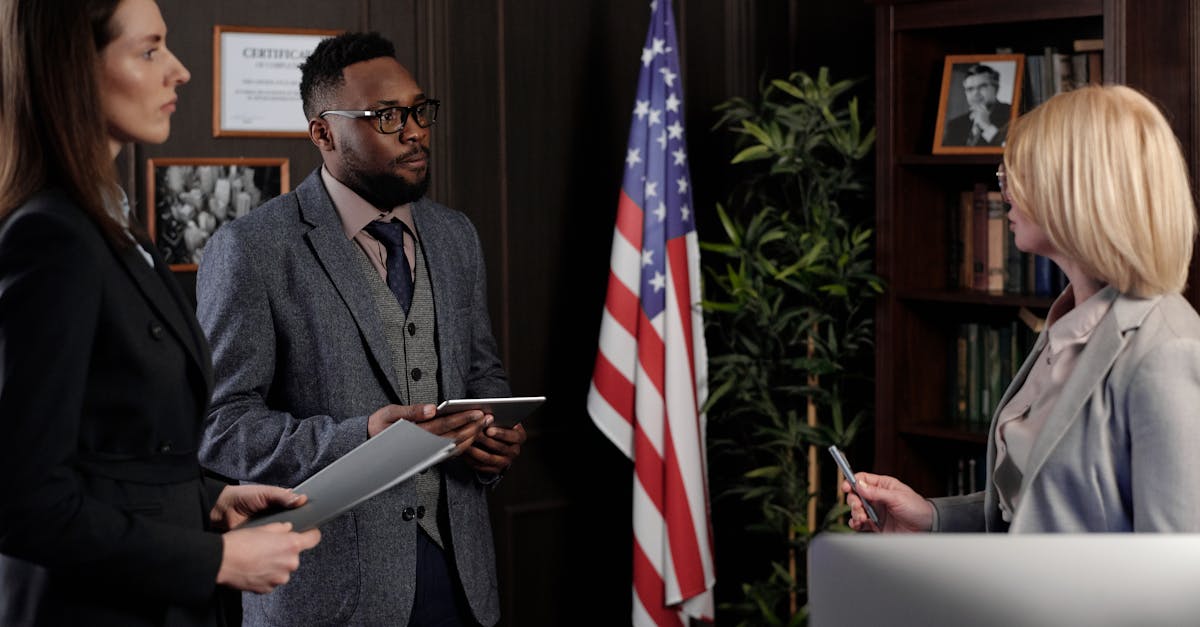
Beyond the judges, a cadre of court staff coordinates scheduling, evidence handling, and security. These professionals keep the wheels turning, allowing attorneys and litigants to focus on arguments rather than logistics. Their work is often invisible, yet without it, the system would grind to a halt.
State courts complement the federal tier by handling the vast majority of everyday disputes - family law, small claims, and local contracts. I have observed that state judges often have deep community ties, which brings a different flavor of legitimacy to the process.
Key Takeaways
- The court system stems from Article III authority.
- Federal courts ensure uniformity across states.
- Court staff are essential for procedural efficiency.
- State courts handle most everyday disputes.
- Judicial independence balances public accountability.
Court Staff Roles, Beyond the Judge
When I first stepped into a federal courtroom, the bailiff’s presence felt like a silent guardian. Bailiffs maintain order, escort witnesses, seize prohibited items, and ensure that proceedings are not derailed by chaos. Their authority is backed by statutes that allow them to compel quiet behavior.
Clerks of court are the nervous system of the judiciary. They manage filing deadlines, docket entries, and statutory documentation. I rely on clerks to confirm that motions are filed on time; a missed deadline can cost a client millions. Their accuracy shapes every procedural decision that follows.
Court reporters produce verbatim transcripts that become the official record. These transcripts are essential for appeals, media coverage, and scholarly analysis. I have reviewed countless transcripts to pinpoint exact language that could swing an appellate argument.
Additional staff - including probation officers, jury coordinators, and technology specialists - support the court’s mission. Jury coordinators, for example, summon and manage jurors, a task that requires precise logistical planning. Technology specialists now oversee e-filing platforms, ensuring that digital submissions meet security standards.
According to the Center for American Progress, reforms that expand staff resources can strengthen checks and balances in the judiciary (Center for American Progress). Investing in these roles protects the integrity of the system.
Jurisdictional Structure, How Cases Travel
At the foundation, district courts possess original jurisdiction, meaning they are the first to hear the majority of criminal and civil cases involving federal law. I have argued numerous breach-of-contract disputes that began in a district court before moving up the ladder.
When a case raises a substantial constitutional question, it may ascend to the Supreme Court’s appellate jurisdiction. The Court selects a limited number of cases each term, often those that can resolve conflicting lower-court rulings. In my experience, a petition for certiorari is a strategic decision that can reshape legal precedent.
State courts typically enjoy broader trial authority, handling everything from divorce filings to property disputes. Their jurisdiction is defined by state constitutions and statutes, allowing them to address matters that federal courts cannot. I have seen how state courts can provide faster resolutions for local issues.
Each jurisdiction follows a procedural roadmap that determines where evidence is presented, how appeals are filed, and which legal standards apply. Understanding this roadmap is crucial for any attorney seeking to navigate the system effectively.
Per the New York Times, political pressures can influence how jurisdictional boundaries are interpreted, especially in high-profile cases (The New York Times). Awareness of such dynamics helps lawyers anticipate potential hurdles.
Judicial Hierarchy, From Lanes to Supreme
The judicial hierarchy begins with local district courts, advances to regional circuit courts, and culminates in the Supreme Court. I have watched cases climb this ladder, each step adding layers of review and legal refinement.
Appellate judges review the trial record, legal arguments, and precedent to ensure that lower courts applied the law correctly. Their decisions can affirm, reverse, or remand cases for further proceedings. In my practice, a well-crafted appellate brief can overturn a detrimental trial ruling.
Conference decisions within circuit courts consolidate the opinions of three-judge panels, creating a unified stance that guides future cases. This internal deliberation resembles a courtroom drama behind closed doors, where legal philosophies clash and coalesce.
The Supreme Court sits at the apex, interpreting constitutional ambiguities that affect the entire nation. When the Court issues an opinion, it cascades down the hierarchy, compelling lower courts to align with the new legal standard. I have witnessed how a single Supreme Court ruling can reshape statutes across multiple states overnight.
Historically, the hierarchy has acted as a safeguard against arbitrary rulings, ensuring that law evolves through collective judicial wisdom rather than isolated decisions.
Court System United States, Performance and Reform
Backlogs have become a chronic problem, fueled by insufficient staffing, procedural bottlenecks, and surges in civil litigation. I have represented clients stuck in docket queues for years, a reality that erodes public confidence.
Technological integration - such as e-filing and virtual hearings - has accelerated case processing. However, these innovations demand costly infrastructure and a steep learning curve for attorneys. I spent months training my team on a new e-court platform, illustrating the investment required.
Public access reforms aim to demystify the judiciary. Transparency dashboards, community court sessions, and open-record policies let citizens observe proceedings directly. When I attended a community court in Chicago, the audience’s engagement revealed how openness can rebuild trust.
Scholars argue that expanding funding for court staff and modernizing facilities could reduce delays dramatically. The Center for American Progress notes that unchecked executive influence threatens the balance of power, underscoring the need for an adequately resourced judiciary (Center for American Progress).
Future reforms may include expanding magistrate judges, adopting AI-assisted case triage, and mandating periodic performance audits. Each proposal carries trade-offs, but the overarching goal remains a faster, fairer system.
Frequently Asked Questions
Q: What is the definition of a court system?
A: The court system is the network of federal and state courts, judges, and support staff that interprets and enforces laws, ensuring disputes are resolved under constitutional authority.
Q: What are the main roles in a courtroom besides the judge?
A: Key roles include bailiffs who maintain order, clerks who manage filings and dockets, court reporters who produce transcripts, and various support staff such as jurors coordinators and technology specialists.
Q: How does jurisdiction determine where a case starts?
A: Original jurisdiction, typically held by district courts, determines the first forum for most federal cases. State courts handle most local matters, while appellate jurisdiction allows higher courts to review decisions that raise significant legal questions.
Q: What is the hierarchy of courts in the United States?
A: The hierarchy starts with district (trial) courts, moves to circuit (appellate) courts, and culminates in the Supreme Court, which resolves constitutional issues and sets nationwide precedent.
Q: What reforms are being proposed to improve court performance?
A: Proposed reforms include expanding staffing, modernizing e-filing systems, increasing transparency through public dashboards, and leveraging technology for case triage, all aimed at reducing backlogs and enhancing public trust.