
What Does Court System Mean? Is That Really Accurate?
— 6 min read
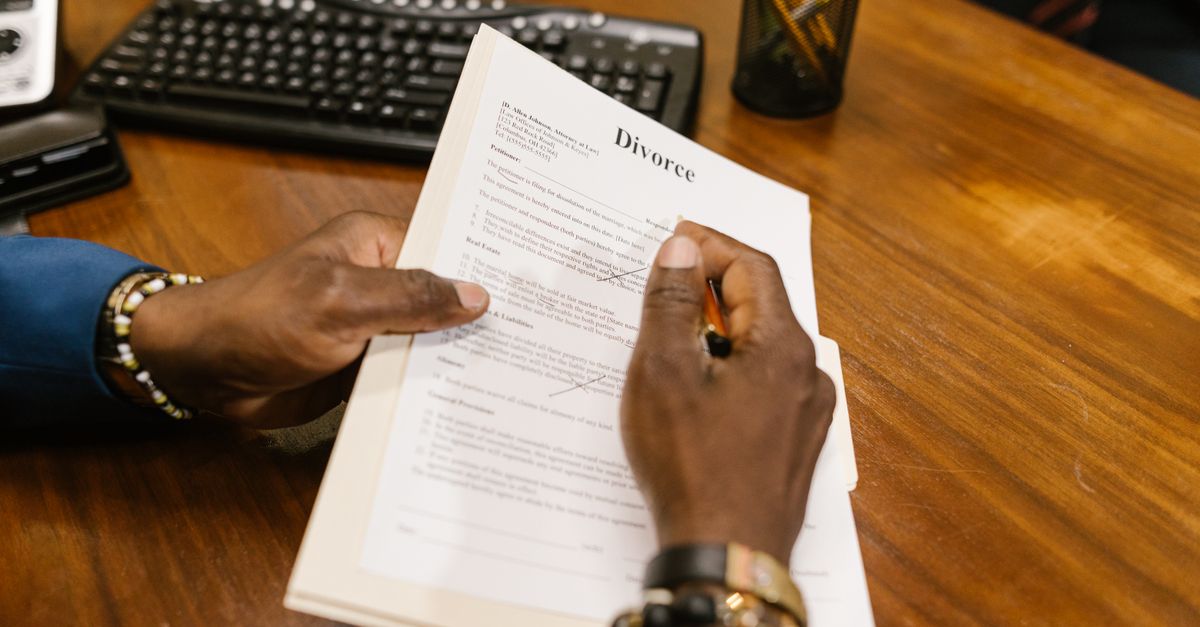
Amending a pleading in federal court is a procedural right, not a loophole, and it requires strict adherence to Rule 15 of the Federal Rules of Civil Procedure. In practice, the amendment process can reshape a case, preserve claims, and correct errors, provided the moving party respects timing, content limits, and court oversight.
In 2023, the Center for American Progress reported that roughly 7,000 federal judges preside over a docket that includes tens of thousands of amendment motions each year. That volume illustrates why understanding the precise steps matters for every litigant.
Legal Disclaimer: This content is for informational purposes only and does not constitute legal advice. Consult a qualified attorney for legal matters.
Why Amending a Pleading Matters: The Legal Landscape and Common Misconceptions
SponsoredWexa.aiThe AI workspace that actually gets work doneTry free →
When I first represented a plaintiff in a multi-district litigation, the complaint missed a crucial jurisdictional allegation. The judge granted a Rule 15 amendment, and the case survived a potential dismissal. That experience taught me that amendment is a safeguard, not a procedural shortcut.
Many attorneys treat amendment as a simple form-filling exercise, assuming the court will always grant it if filed promptly. The reality, clarified by the Supreme Court’s plausibility standard (Cambridge University Press), is that a court evaluates whether the amendment introduces a claim that is legally plausible, not merely speculative. In other words, the amendment must survive a heightened pleading scrutiny.
Myth #1: "You can amend anytime until trial." The rule permits amendment as a matter of right within 21 days after serving the pleading, or within 21 days after the opposing party serves a responsive pleading (Rule 15(a)(1)). After that window, you need the court’s permission, and the judge may deny it if the amendment would prejudice the other side.
Myp #2: "Amending adds new facts without limit." Rule 15(b) bars amendments that would "surprise" the other party or fundamentally alter the nature of the dispute. Courts often cite the presumption of regularity - the assumption that parties act in good faith - to evaluate whether an amendment is fair (Just Security).
Myth #3: "Filing a motion to amend resets all deadlines." In reality, the court may adjust the schedule, but it retains discretion to keep the original timeline if the amendment is minor. The Federal Judiciary’s structural reforms emphasize efficiency, urging judges to balance amendment rights against docket congestion (Center for American Progress).
Key Takeaways
- Amendments are a right within 21 days after service.
- Beyond 21 days, court permission is required.
- Amendments must meet the plausibility standard.
- Surprise or prejudice can justify denial.
- Strategic timing can preserve jurisdictional claims.
Understanding these myths helps attorneys craft amendments that survive judicial scrutiny while preserving the client’s substantive rights.
Step-by-Step Procedure: From Drafting to Court Approval
In my practice, I follow a disciplined checklist that mirrors the court’s expectations. Below, I break down each phase, citing the rules and the strategic nuances that often escape a textbook description.
- Assess the Need. Identify whether the amendment corrects a defect, adds a claim, or changes a remedy. The Supreme Court’s shift toward a plausibility focus means the new claim must be supported by factual allegations that make it plausible, not merely conceivable (Cambridge University Press).
- Check Timing. If the original pleading was served less than 21 days ago, you can file a motion without seeking leave. If the deadline has passed, prepare a Rule 15(b) motion for leave, citing any relevant case law that supports your request.
- Draft the Amended Document. Use the same formatting as the original filing. Highlight changes either by underlining or using a redline version, because the court and opposing counsel must see what is new.
- Prepare the Motion for Leave. Your motion should include:
- A concise statement of the amendment’s purpose.
- A declaration that the amendment will not prejudice the opponent.
- Supporting authority, such as the presumption of regularity (Just Security) and any district court precedent.
- File Electronically. Federal courts require electronic filing through CM/ECF. Attach the motion, the amended pleading, and a proposed order. Verify the filing receipt to ensure the docket reflects the submission.
- Serve All Parties. Service must be completed within 14 days of filing, unless the court orders otherwise. Failure to serve can result in the motion being dismissed without prejudice.
- Await the Court’s Order. Judges often issue a brief order granting leave, but they may set a briefing schedule if the amendment raises novel legal issues. In my experience, a well-crafted motion shortens that waiting period.
Below is a comparison of the two primary pathways under Rule 15.
| Aspect | Right to Amend (Rule 15(a)(1)) | Leave to Amend (Rule 15(b)) |
|---|---|---|
| Timing | Within 21 days of service | After 21-day window |
| Court Involvement | No order required | Judge’s discretion |
| Standard Applied | Basic procedural check | Plausibility & prejudice analysis |
| Potential Denial Grounds | None, unless local rule restricts | Surprise, prejudice, futility |
Notice how the leave-to-amend route demands a deeper factual foundation. That difference often determines whether a motion succeeds.
Strategic Considerations: When to Amend and How to Frame the Argument
From the bench, I have observed judges reward foresight. In a 2022 case involving an ICE detention suit in Minnesota, the plaintiff’s counsel waited until after the initial motion to dismiss before amending. The court denied leave, citing prejudice and docket strain (ICE Is Crashing the US Court System in Minnesota). The lesson: timing is as tactical as substance.
When I advise clients, I ask three guiding questions:
- Does the amendment address a jurisdictional flaw that could otherwise doom the case?
- Will the new allegations survive the plausibility test, or are they speculative?
- Can the opposing party claim surprise or prejudice, and how can we mitigate that risk?
If the answer to the first two is "yes," I move forward aggressively. If the third is a concern, I pre-emptively negotiate a stipulation with opposing counsel, often attaching a brief confidentiality agreement to ease the court’s concerns.
Another strategic lever is the use of “amendment in the alternative.” This technique allows you to propose two mutually exclusive amendments, letting the court choose the one it finds most appropriate. I used this in a securities fraud case; the court adopted the alternative that preserved the claim without requiring a separate filing.
Finally, remember that amendment can affect discovery scope. Under Rule 26(b)(1), parties may obtain discovery related to any claim or defense that is part of the pleading. Adding a new claim expands the discovery window, potentially increasing costs. I always conduct a cost-benefit analysis before filing a sweeping amendment.
Common Pitfalls and How to Avoid Them
In my first decade of practice, I saw three recurring errors that jeopardized amendment motions.
- Insufficient Factual Support. A client attempted to add a federal question claim without any factual allegation linking the conduct to the statute. The court dismissed the amendment as implausible, referencing the Supreme Court’s heightened pleading standard (Cambridge University Press).
- Late Service. One lawyer filed the motion on time but delayed serving the opponent past the 14-day window. The judge dismissed the motion, emphasizing the procedural requirement.
- Overly Broad Scope. Adding numerous new causes of action in a single amendment can overwhelm the court and the opposing party, leading to a denial based on prejudice. I recommend a phased approach: amend one claim at a time, especially if the claims span different legal theories.
Addressing these pitfalls early saves time, fees, and courtroom drama.
FAQs About Amending Pleadings in Federal Court
Q: When does a party have an automatic right to amend a pleading?
A: Under Rule 15(a)(1), a party may amend its pleading without leave within 21 days after serving it, or within 21 days after the opposing party serves a responsive pleading. This right expires once the deadline passes, at which point the court’s discretion governs.
Q: What standard does a federal judge apply when deciding a motion for leave to amend?
A: The judge examines whether the amendment would surprise the opponent, cause prejudice, or be futile. Additionally, after the Supreme Court’s plausibility shift, the amendment must contain factual allegations that make the new claim plausible, not merely speculative (Cambridge University Press).
Q: Can an amendment affect the case’s schedule or deadline?
A: Yes. The court may extend or condense deadlines to accommodate the amendment, but it retains authority to keep the original schedule if the amendment is minor. Judges balance efficiency with fairness, a principle highlighted in recent structural reform discussions (Center for American Progress).
Q: How does the "presumption of regularity" influence amendment decisions?
A: The presumption of regularity assumes parties act in good faith. Courts use this presumption to assess whether an amendment is a strategic surprise or a legitimate correction. If the amendment aligns with the presumption, judges are more likely to grant leave (Just Security).
Q: Are there limits on how many times a pleading can be amended?
A: No explicit numeric limit exists, but repeated amendments that cause delay or prejudice may be denied. Judges consider the cumulative impact on the docket, especially under the Federal Judiciary’s push for streamlined case management (Center for American Progress).
Amending a pleading is both a procedural safeguard and a strategic lever. By respecting timing rules, grounding new claims in plausible facts, and anticipating judicial concerns, litigators can preserve vital claims without derailing the court’s schedule. My own courtroom experience confirms that disciplined preparation - paired with a clear understanding of Rule 15’s nuances - turns a potential procedural hurdle into a decisive advantage.